National Graduate Institute for Policy Studies (GRIPS)

Minato-ku, Tokyo, Japan
Founded 1997
International 241
Core campuses 1

University overview

GRIPS is a small graduate-only national institute in Roppongi, central Tokyo, built around public policy and taught largely to mid-career officials — 80% of its graduates work in the public sector. Of its 426 students, 241 are international, from 57 countries. Thirteen of its 28 programmes and courses can be taken entirely in English, including the one- and two-year master's in public policy, macroeconomic policy, public finance and maritime safety. Funding is heavily sponsor-based, so which scholarship you can actually apply for matters more here than almost anywhere.

Academic scale

426 students as of 1 May 2026 — 79% master's and 21% doctoral. GRIPS is graduate-only and has no undergraduate faculty.

Global community

241 international students of 426, or 57% — one of the highest shares of any Japanese national university
57 countries and regions represented, including Japan. Uzbekistan currently has 7 students; the largest groups after Japan are Indonesia, the Philippines and Vietnam.

Core campuses

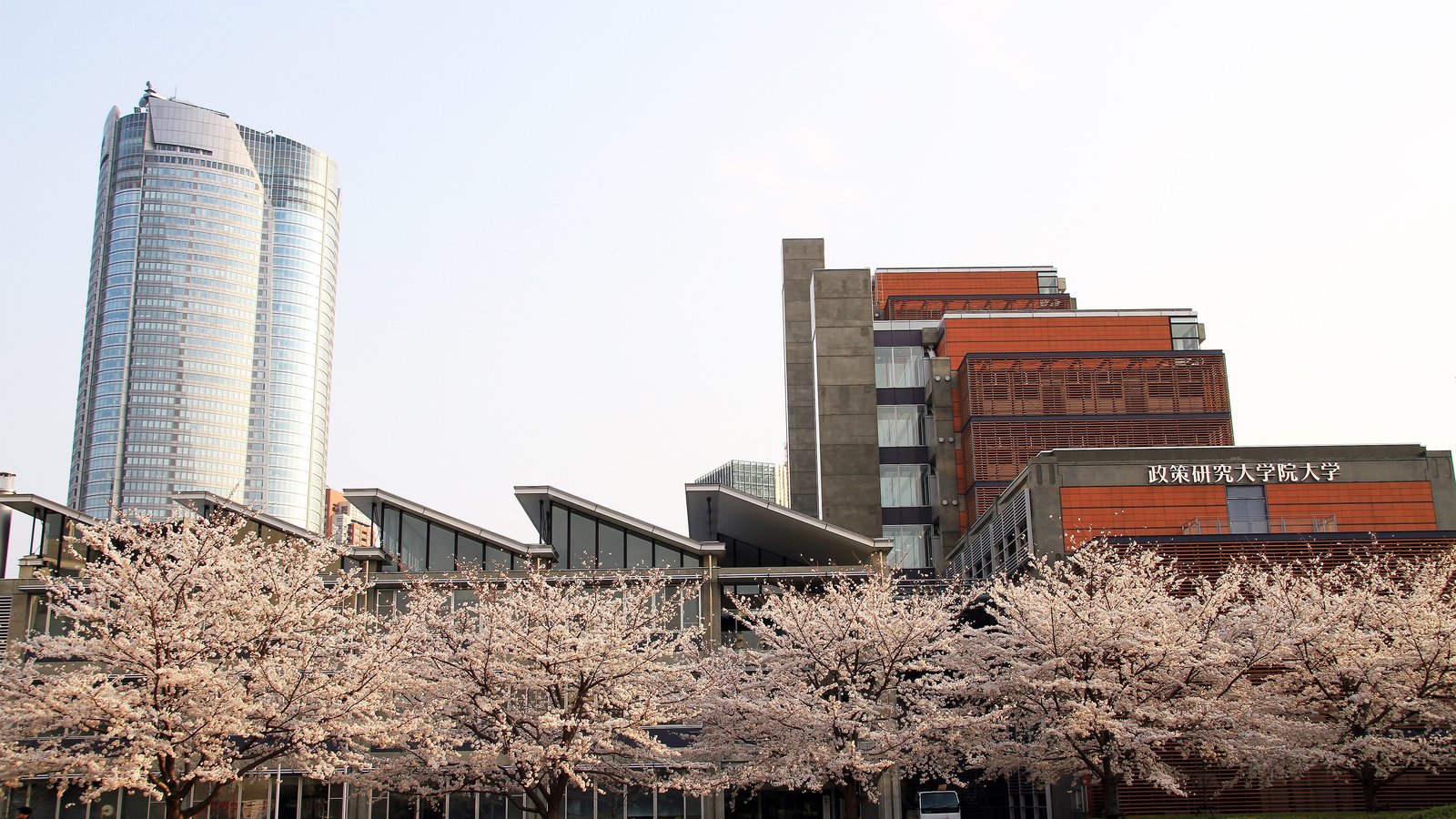
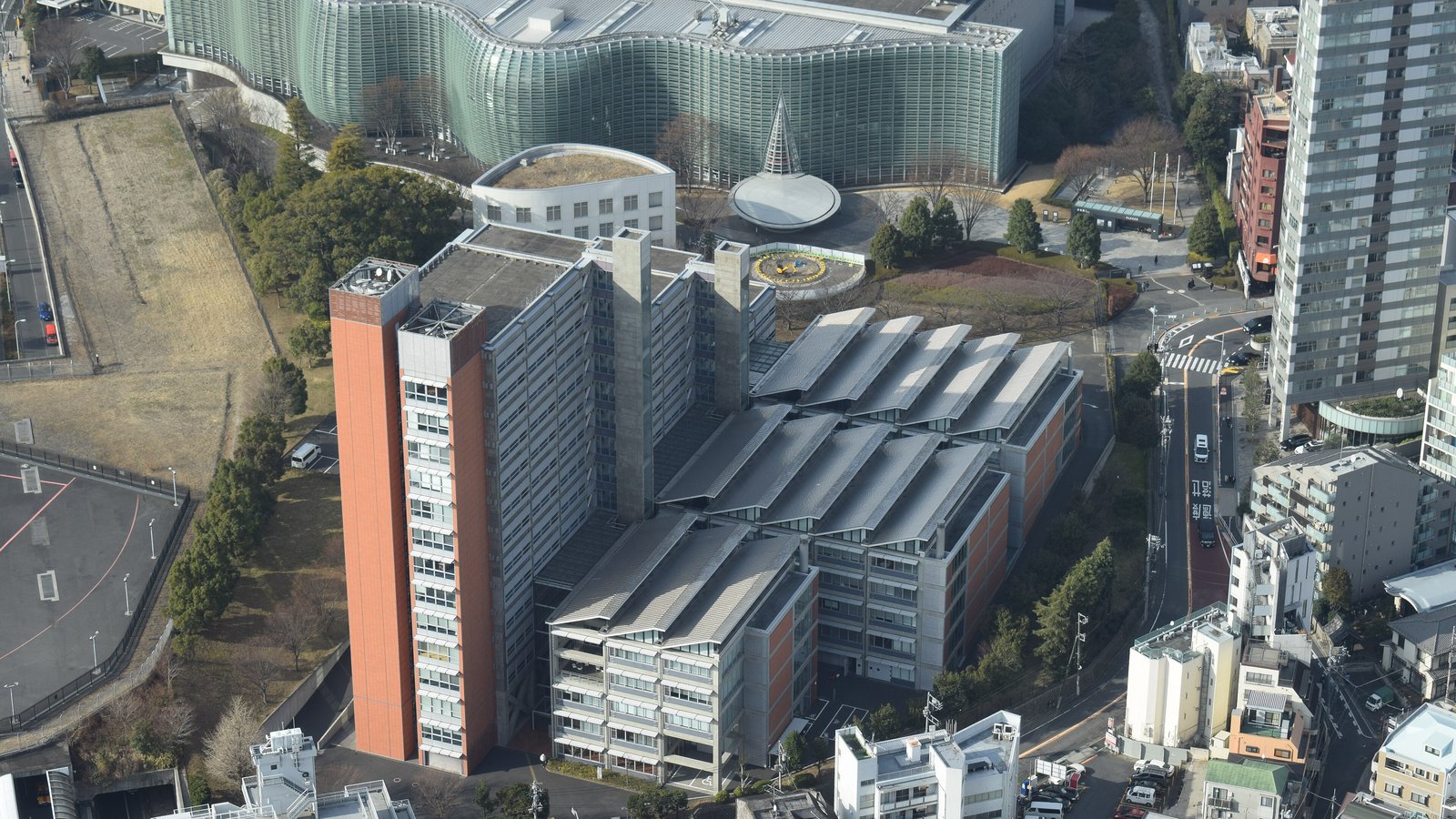
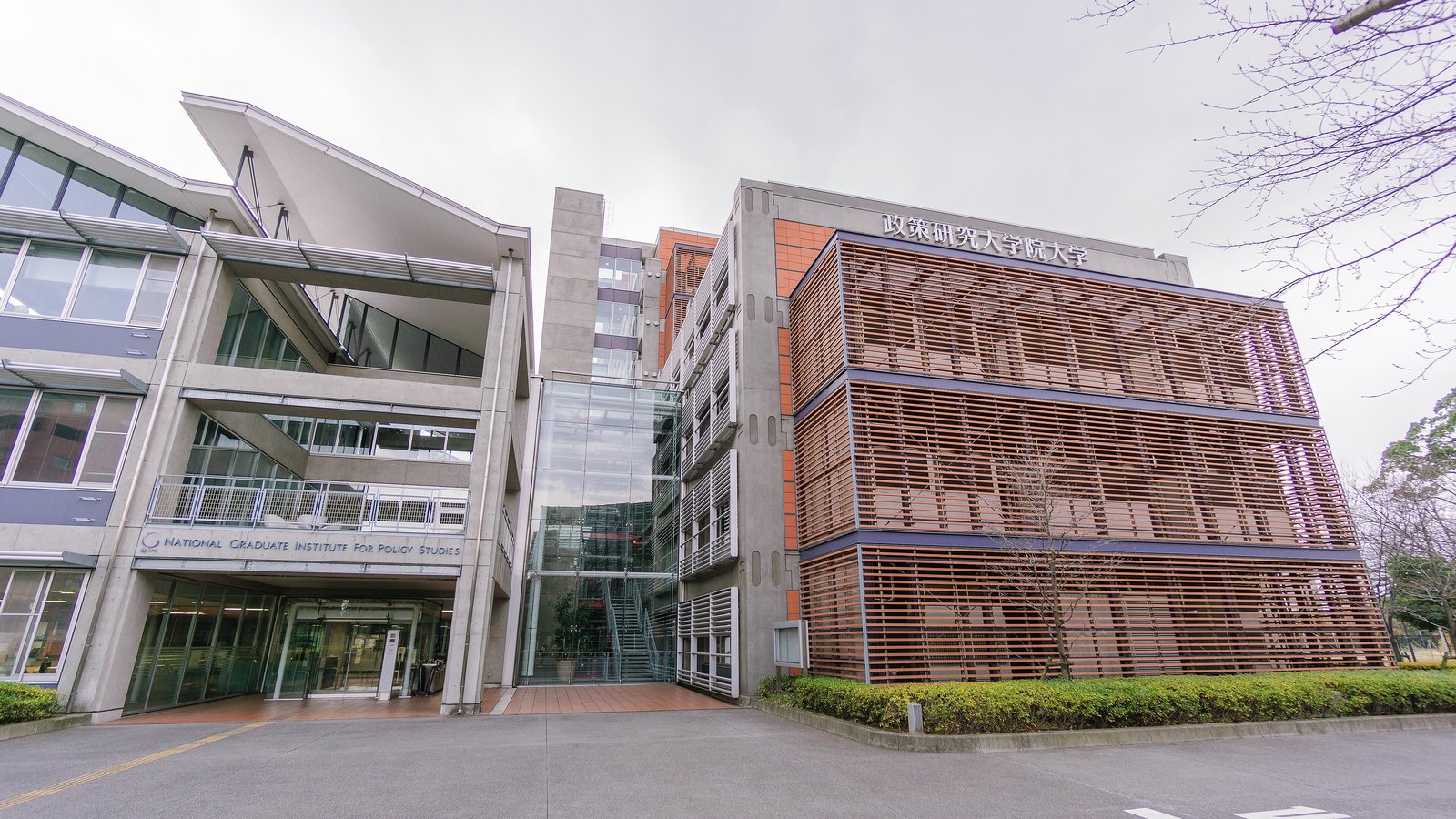
Roppongi Campus The whole of GRIPS in one building opposite the National Art Center: a 14-storey faculty tower joined to a low-rise by a skylit atrium, holding the classrooms, library and the 300-seat Soukairou Hall. Five minutes from Roppongi station.

More facts

Of 28 programmes and courses, 13 can be taken entirely in English — 9 master's and 4 doctoral. The Japanese-taught block holds 144 of the 329 master's students, and just one of those is international.
¥642,960 a year in tuition, paid in two instalments, with a ¥282,000 admission fee and a ¥30,000 application fee (AY2027-28)
Every programme pays the same rate: the one-year and two-year master's differ only in how many years they pay it, and the Japanese-taught and English-taught rates are identical.
University figures verified 9 Sep 2026

Funding

No external scholarship in our catalogue names this university specifically. Many awards are open regardless of where you study — browse all scholarships for Japan.

University sources (4)